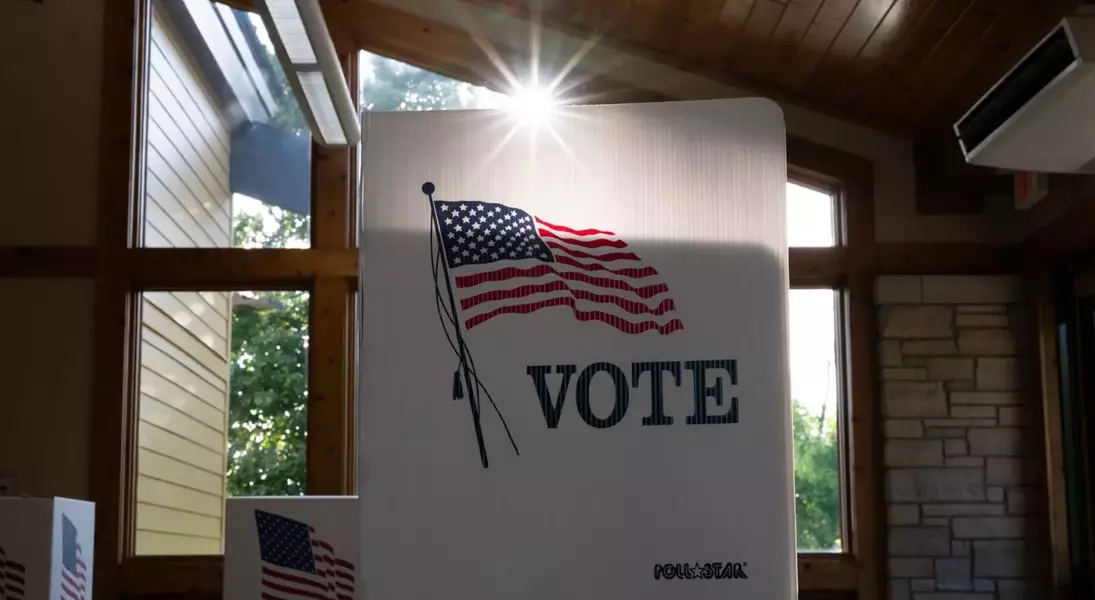
The recent midterm elections, marked by an impressive early voting turnout, stand as a pivotal moment for the landscape of health care. The results of these elections are expected to significantly influence the direction of health policy, impacting everything from health insurance frameworks to public health strategies and legislative reforms. As voters across various states cast their ballots, their collective decisions will help determine which health-related initiatives receive priority, how resources are allocated, and the overall legislative agenda for the coming years.
The Electoral Impact on Health Care Legislation
The midterm elections, characterized by a substantial early voter turnout, are set to profoundly influence the future of health care policy. The decisions made at the ballot box will shape legislative priorities, affect the allocation of resources, and potentially redefine the accessibility and quality of health services. These elections serve as a critical mechanism through which the public can voice their preferences on health insurance reforms, funding for public health programs, and other key medical policy issues, ultimately guiding lawmakers in their legislative endeavors.
The high engagement observed in early voting underscores the public's vested interest in the political discourse surrounding health. The electoral outcomes will not only determine the composition of legislative bodies but also the ideological leanings that will drive health care decision-making. This includes debates over the Affordable Care Act, prescription drug pricing, mental health services, and responses to future public health crises. The direction policymakers take on these issues will directly reflect the mandates received from the electorate, making the midterms a defining event for the nation's health care trajectory.
Shaping Future Public Health and Insurance Landscapes
The electoral process, particularly during midterms, plays a crucial role in molding the national dialogue and subsequent actions on public health and health insurance. The results will dictate which approaches to health care reform gain traction, influencing the stability and expansion of insurance coverage, as well as the robustness of public health infrastructures. This democratic exercise allows citizens to directly participate in the governance of their health, determining whether the focus shifts towards universal coverage, market-based solutions, or preventative care initiatives.
Looking ahead, the post-election period will be characterized by intense legislative activity as elected officials translate campaign promises into policy. This will involve deliberations on how to best fund critical health programs, address disparities in care, and innovate within the health sector. The long-term implications for health insurance affordability, the scope of covered services, and the national capacity to respond to health emergencies will all be in the balance. Therefore, the midterms are more than just a political event; they are a fundamental determinant of health care access and quality for millions.