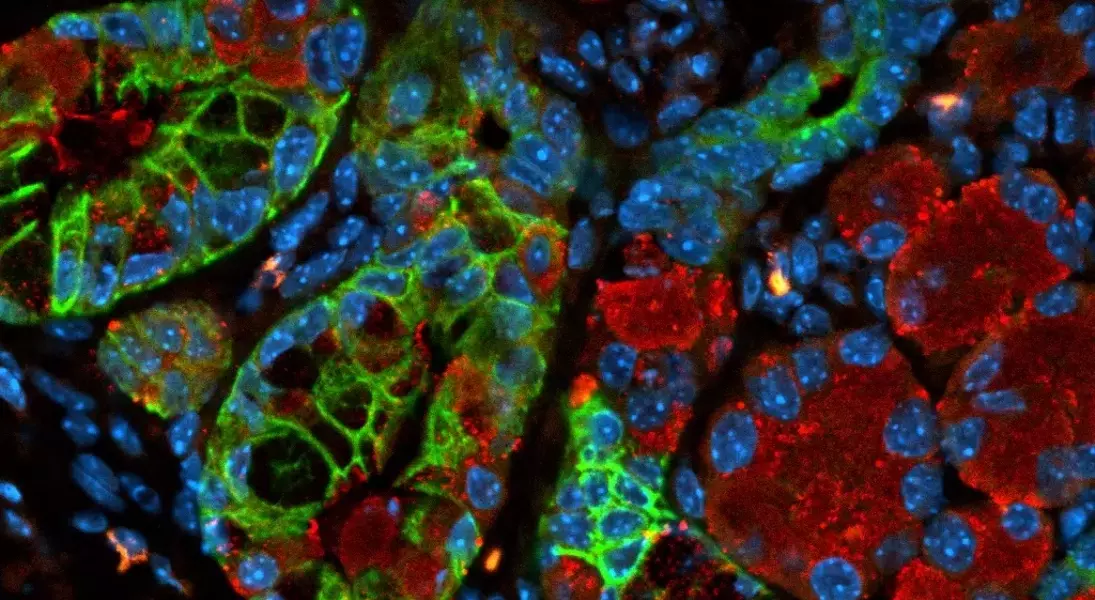
In a significant development for oncology, Verastem's KRAS inhibitor has demonstrated encouraging outcomes in the challenging landscape of pancreatic cancer treatment. This breakthrough offers a glimmer of hope for patients facing this aggressive disease. Beyond this specific medical advancement, the biotech industry is abuzz with broader trends, including the transformative influence of China's burgeoning biotech sector on American venture capital markets. Furthermore, the path toward regulatory approval for psychedelic therapies is being navigated with measured caution, reflecting a balance between potential therapeutic benefits and stringent safety requirements. This dynamic environment underscores both the scientific progress and the intricate financial and regulatory forces shaping the future of medicine.
Verastem, a clinical-stage biopharmaceutical company, has been at the forefront of developing novel therapies for difficult-to-treat cancers. Their KRAS inhibitor, a targeted therapy designed to block the activity of the KRAS gene mutation often found in pancreatic cancer, represents a major scientific endeavor. The early data from clinical trials suggest that this inhibitor could significantly improve patient outcomes, potentially offering a new standard of care where options have historically been limited. The focus on KRAS mutations is particularly crucial, as these have long been considered 'undruggable' targets, making Verastem's progress a notable achievement in precision medicine.
Meanwhile, the global biotech landscape is experiencing a paradigm shift. China's rapid ascent as a biopharmaceutical powerhouse is reshaping investment strategies and competitive dynamics globally. U.S. venture capital firms are increasingly evaluating their portfolios and strategies in light of this burgeoning market, recognizing both the opportunities and the competitive pressures it presents. This shift necessitates a re-evaluation of traditional investment models and fosters greater international collaboration and competition in drug discovery and development. The influx of capital and scientific talent in China is creating new hubs of innovation, prompting a more globalized approach to biotech investment.
Another area of intense interest is the re-emergence of psychedelic compounds for therapeutic use. Companies like OMass Therapeutics are making strides in developing small molecule therapeutics for endocrine and immunological disorders, securing substantial funding to advance their clinical pipelines. Similarly, Orbimed, a prominent investment firm, has successfully raised billions for new private equity funds, signaling robust investor confidence in the healthcare sector. However, the journey to mainstream acceptance and regulatory approval for psychedelics is proceeding with deliberate care. Stakeholders are emphasizing rigorous clinical trials and stringent safety protocols to ensure these novel treatments are introduced responsibly and effectively, addressing historical concerns and building a new foundation of trust and evidence.
The current biotech ecosystem is marked by a confluence of scientific breakthroughs, evolving geopolitical influences, and cautious yet optimistic advancements in novel therapeutic areas. Verastem's progress in targeting KRAS mutations in pancreatic cancer exemplifies the power of precision medicine. Simultaneously, the rise of China's biotech industry is compelling a strategic recalibration within U.S. venture capital. The careful progression of psychedelic therapies towards regulatory acceptance highlights a commitment to evidence-based medicine and patient safety. These interconnected developments paint a picture of an industry in constant flux, driven by innovation, global competition, and a persistent quest to address unmet medical needs.